Whole Foods and Natural Remedies to Resolve Postpartum Hair Loss
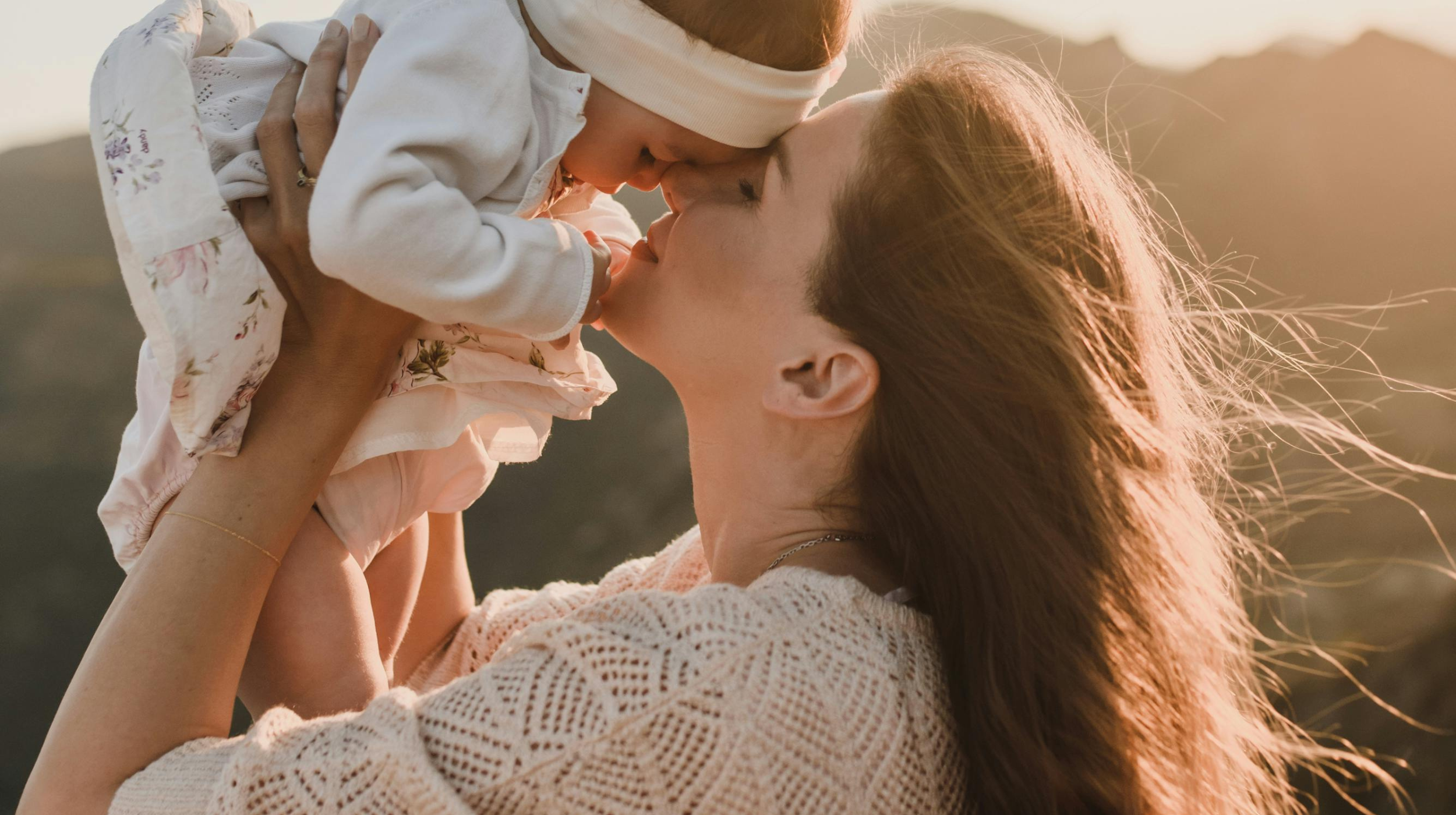
Postpartum hair loss is completely normal and the result of changing hormones. That said, it’s a good reason to check on your nutrient levels and practice self-care. Here are a few things you can do to manage hair loss and support your body through postpartum changes.
You shouldn’t be afraid of postpartum hair loss. I know you’re navigating sleepless nights, big hormonal shifts, and probably putting everyone else’s needs before your own. It’s a lot. But losing hair after giving birth isn’t a sign that you’re “letting yourself go.” It’s just another way your body adjusts after pregnancy.
Why Does Postpartum Hair Loss Happen?
During pregnancy, estrogen and progesterone hormones both rise to thicken the uterine lining and create a safe space for growing your baby. These hormones remain high throughout pregnancy (you can thank them for “pregnancy brain” and mood swings), and they’re the reason your hair becomes thick and silky.
Since the placenta produces some estrogen and progesterone, these levels drop significantly during postpartum (once you deliver the placenta). This significant change in hormones eventually drives postpartum hair loss. While it’s a normal experience, hair fall may be worse if you’re nutritionally depleted.
Let’s Look at the Four Stages of Hair Growth:
Anagen. The active stage of hair growth (about 85–90% of your hair is in this phase at any given time).
Catagen. This is when hair growth slows and follicles shrink.
Telogen. A resting phase for your hair follicles.
Exogen. A fancy word for hair shedding, it’s an extension of the telogen stage.
Pregnancy hormones keep your hair stuck in the anagen (active growth) phase. This means much less shedding while your baby grows and maybe the best hair of your life. After birth, hormones return to normal, and the stages of hair growth resume, which means more hairs reach exogen at the same time.
When Does Postpartum Hair Loss Start?
After you deliver your baby and the placenta, the suspended anagen phase stops. Still, your hair has to go through the other phases of hair growth (catagen and telogen) before shedding in exogen.
This is why it takes about 2–4 months for postpartum hair loss to show up. You may feel like all your hair is falling out at once, but this is natural and even expected (and you won’t lose all your hair, I promise).
When Does Postpartum Hair Loss Stop?
The good news about postpartum hair loss is, it’s temporary. The extra hair you gain during pregnancy will shed and then regrow. Eventually, everything returns to normal. Just so you know what to expect, postpartum hair loss usually resolves about 6–9 months after it begins.
How to Prevent Postpartum Hair Loss
It’s difficult to prevent hair loss entirely. But there are some things you can do in advance to minimize postpartum hair shedding.
Preconception care. Building up nutrient stores before pregnancy gives your postpartum body a leg up for recovery.
Intentional nutrition. Women who eat plenty of ancestral foods (like gelatin, beef liver, and shellfish) tend to have less overall hair loss.
Loose hairstyles. You can minimize shedding by wearing your hair in braids or a low bun.
Limit heat and bleach. Take a break from the hot tools and dyes to give your hair time to recover.
Try nontoxic shampoo. If you’re not already on the nontoxic bandwagon, this is a great time to find a sulfate-free and fragrance-free shampoo.
Lay off the toxic dry shampoo. I know, this stuff is your lifeline during postpartum. But dry shampoo contains a lot of chemicals that can impact hair growth. There are better options out there, or you can make your own.
Natural Ways to Manage Postpartum Hair Loss
Not only is postpartum hair loss unnerving, but you also don’t have the extra time to clean out your shower drain. The good news is, there are ways to manage postpartum hair loss, even if you can’t entirely prevent it.
Supplements and Vitamins for Postpartum Hair Loss
Silica. This is a homeopathic mineral that I always recommend to women with active hair loss. It helps speed hair growth and enhances collagen production for your hair, skin, and nails.
Collagen and gelatin. These nutrients are responsible for healthy and active hair growth. They also support glowing skin, even when you’re sleep-deprived.
Vitamins A, E, K, and B12. These are the most common nutrient deficiencies I notice in postpartum, and they can drive hair loss.
Ashwagandha. Your body goes through a lot of physiological stress during pregnancy and postpartum, and ashwagandha helps you adapt.
Lifestyle Changes to Resolve Postpartum Hair Loss
Scalp massage. For tired and depleted mamas, this is a self-care habit that increases blood flow to the scalp.
Rosemary water. This is an ancestral remedy that’s well-known for hair growth. Just spritz a bit on before a shower and massage it into your scalp.
A silk or satin pillowcase. While this won’t resolve hair loss, it can help reduce pulling and breakage at night.
Trace minerals. You’ll need these to support healthy hair growth and to stay hydrated while breastfeeding.
Frequent haircuts. This won’t stop hair loss, but regular hair maintenance can boost your confidence and allow new hair growth to catch up faster.
Whole Foods for Postpartum Hair Loss
Grass-fed beef liver. It seems strange to eat today, but liver is a traditional food for fertility, pregnancy, and postpartum. It’s so nutrient-dense that you can often use it as a multivitamin replacement.
Oysters. These are high in zinc and B12, two nutrients that are often low in postpartum moms.
Bone broth. It’s easy to warm up a mug of bone broth and sip it while you’re nursing (and the gelatin can boost hair growth).
Blackstrap molasses. Take a spoonful a day as a natural multivitamin.
Nettle tea. Nettle has silica in it and helps increase blood flow to the scalp (you can also use nettle as a scalp treatment).
Nuts and seeds. I recommend you combine these with animal-based foods and use seed cycling for a little hormone boost.
How to Know Your Postpartum Hair Loss Is Driven by Nutrient Depletion
Postpartum hair loss is common, but we should always consider nutrient depletion as part of the root cause. Few modern women get enough nutrients during pregnancy and postpartum, and this can drive not just hair loss but fatigue, brain fog, and mood swings. If you experience these other symptoms along with postpartum hair loss, consider micronutrient testing. I recommend this about 3–6 months after you give birth, especially if you have amenorrhea and other symptoms of hormone imbalance.
Postpartum Hair Loss Is a Self-Care RemindeR
We go through a lot during pregnancy and postpartum, don’t we? The constant hormone changes, desperate food cravings, and mood swings are all part of the process. And so is postpartum hair loss. When you’re sleep and shower-deprived, watching your hair fall out can feel extra shocking. But it’s not a sign that you’ve done something wrong. It’s simply another reminder from your body that you did a big thing and need some self-care.


Hi, I’m Katie Braswell
Functional Nutritionist, HTMA Practitioner, Certified Herbalist, Homeopath, and a Mom of Three
I help women nourish their bodies through fertility, pregnancy, and postpartum with whole, ancestral food, gentle natural remedies, and precise lab work that shows what's missing on a deeper level.
After healing my own body from depletion and infertility, I've spent the years since helping more than 800 women do the same, without extreme protocols or expensive supplement lists.
Ways you can Live Wild and Be Well

Ancestral Motherhood Method
Four months of one-on-one support to uncover what's depleting you and replenish your body through every season of motherhood.

Labs for Motherhood
HTMA and bloodwork to identify nutrient gaps, paired with a personalized protocol to restore what’s missing.

Reclaim Your Fertility
An eight-week live group program to nourish your body and balance your hormones before you conceive (for the first time or again).

The Membership
A monthly membership to learn about healing yourself and your family naturally.


FREE RESOURCE
Ancestral Guide to Nourishing Mothers
An introduction to the five foundations of ancestral living, including steadying your blood sugar, cleaning up your environment, and optimizing digestion. Inside, you'll find simple, doable steps and recipes to start nourishing your body through every season of motherhood, so you can Live Wild and Be Well.


