What Items to Source for a Non-Toxic Baby Registry (Plus What Postpartum Essentials to Add to List for Mama)
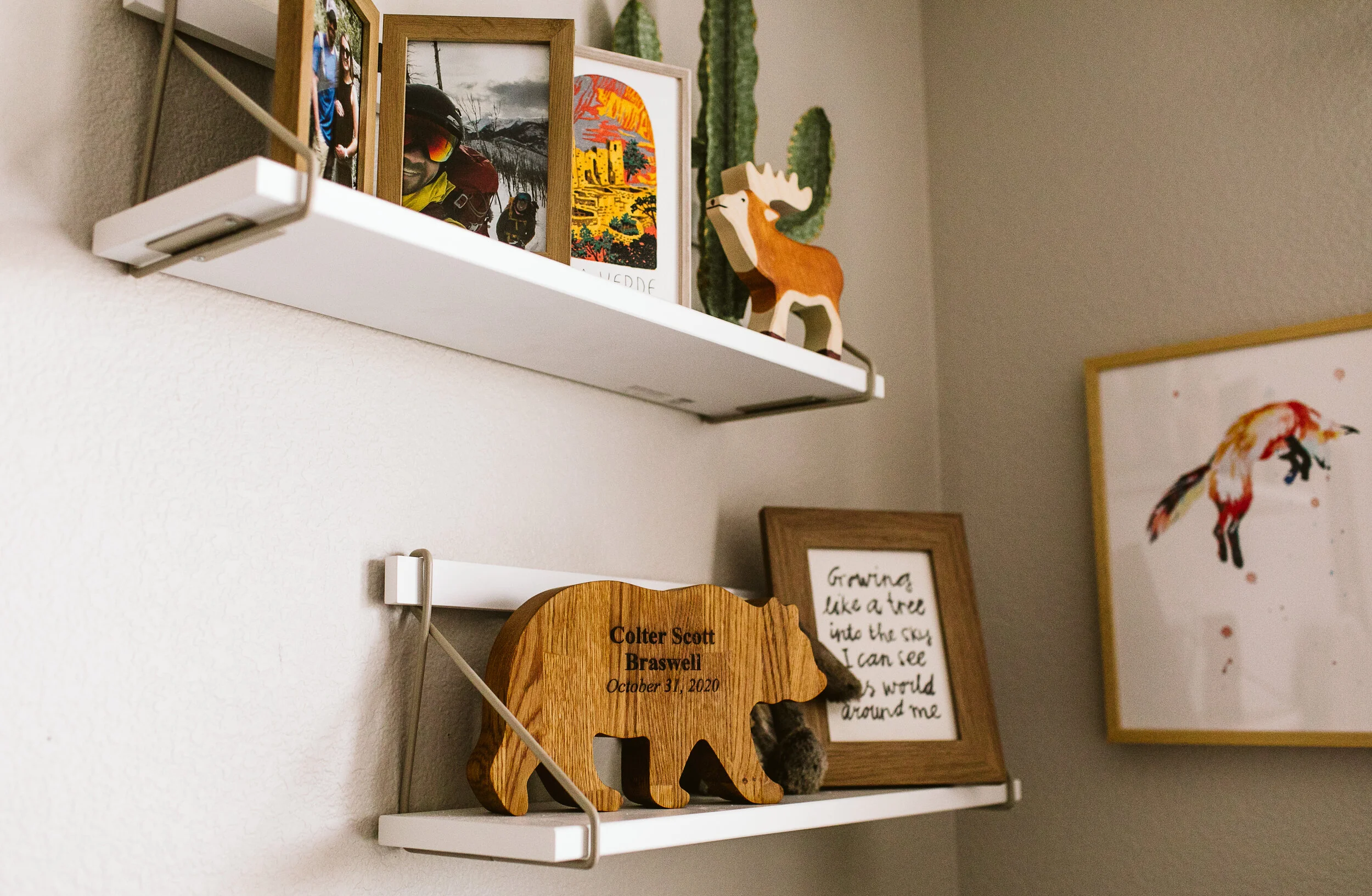
When working with prenatal and postpartum clients, one of the big questions that comes up is how to reduce the toxic-load for our little ones. And with that comes the question around non-toxic versus conventional items for baby. Preparing for a baby is so exciting but can also be very overwhelming. With so many products on the market and a million different opinions, making a baby registry can become stressful. When we had our little one, Colter, last year, I heavily researched the items we decided to source for him.
The choices we make for our children are very impactful since babies’ neurological development the first few years can is impacted heavily by the chemical exposure around them. They breathe more air per pound than adults, and they have thinner blood-brain barriers, which allows their developing brains to be exposed to more chemicals. Each time we pick an everyday product that’s safer than another, we are reducing our baby’s overall exposures to toxic chemicals that can undermine their health in the short and long term. We used babylist.com and really liked that you could register at any website or store.
An important note here is that these non-toxic and organic items can be expensive! However, it doesn’t need to be that way and break your budget. I sourced several of these items second-hand and saved $$$$. It made it easier to reduce waste and also reuse.
What to Avoid
Synthetic Flame Retardants: These chemicals can be found in mattresses, car seats, strollers, and even on clothes. Many of these chemicals have been linked to serious health problems such as cancer, reduced fertility, hormonal problems, and developmental issues in children including reduced IQ and behavioral problems. This is the biggest problem for sourcing car seats and mattresses!
Plastics: We have been working to avoid ALL plastics in our home – PVC, phthalates, cadmium, lead, BPA, polypropylene, and more that most plastic toys are made from. Plastic is tough to avoid in our world, so opt for PVC-free and BPA-free at a minimum and consider how the item is going to be used. If it’s going to end up in your child’s mouth, try to source as natural as possible (wood is preferable).
VOC’s (Volatile Organic Compounds): These are compounds that easily turn into vapors and pollute the air we breathe, and lots of VOC’s are present in the products we use in our homes. Examples are the paint on our walls, our furniture, carpeting, rugs, toys, etc.
What to Look For
Organic: Choosing organic isn’t always possible, but it’s something we strive for if we’re able to. This is important for us because, for example, cotton growers often use hazardous pesticides and more chemical pesticides are used for cotton than for any other crop. These pesticides can prevent individual nerve cells from communicating with one another which can, in turn, interfere with every function within your body. We do what we can to decrease our own toxic loads, but definitely want to give our baby a healthy environment with less toxins for them to adapt
Solid Woods: You may not be able to find or afford a product that has all the certifications to make it nontoxic, but if it’s made out of 100% beechwood, for example, that’s significantly better and naturally less toxic.
Natural Fibers: Up to 8,000 chemicals can be used in the production and processing of textiles — for dyeing, treating, printing and finishing. We love fabrics that breathe like cotton and linen.
What Do These Certifications Mean?
Greenguard Gold Certification: This certification means that products have been rigorously tested and scientifically proven to have low levels of chemical emissions (the VOC’s talked about above). This is especially important when sourcing furniture for your nursery.
GOTS Certified Organic Cotton and Wool: “The Global Organic Textile Standard (GOTS) is the worldwide leading textile processing standard for organic fibres, including ecological and social criteria, backed up by independent certification of the entire textile supply chain.” You can read more about this certification here.
Standard 100 by Oeko-Tex: “If a textile article carries the STANDARD 100 label, you can be certain that every component of this article, i.e. every thread, button and other accessories, has been tested for harmful substances and that the article therefore is harmless in human ecological terms.” You can read more about Okeo-Tex here. It’s important to source GOTS certified organic cotton or Standard 100 by Oeko-Tex for baby textiles, like clothing, burp cloths, blankets, etc.

Gear
Car Seats: UppaBaby Mesa (infants), Clek (convertible), Nuna Rava (convertible)
*UppaBaby offers free virtual safety checks for all carseats!
Car Seat Mirror: Skip Hop Baby Car Mirror
Jogging Stoller: BOB Revolution
Everyday Stroller: UppaBaby Vista
Travel Stroller: Uppababy Minu
Umbrella Stroller: UppaBaby G-Lite
Baby Carriers: Solly Baby (when newborn) and ErgoBaby after 2+ months. I’ve recently been loving the co carrier for its simplistic design! It’s completely non-toxic and easy to use for newborns to 35lbs.
Adventure backpack carrier: Osprey Poco plus
Pack-N-Play: Guava Travel Crib – This is the best travel crib and super lightweight
Bouncer: Baby Bjorn Cotton Bouncer
Highchair: Ikea Antilop (best used under 1 year), Stokee Tripp Trapp (this lasts for YEARS – we have loved ours)
Jumpers / Seats: We avoided the use of most seats due to the fact that they do not support baby neurological and motor development. You can read more here. The only jumper that we like was the Merry Muscles – although we avoided use until he was standing assisted.
Diapering
Changing Pad: Naturepedic Changing Pad
Organic Changing pad cover: Burts Bees
Cloth Diapers: Grovia and Nora’s Nursery
Regular Diapers: Coterie and Honest
Wipes: Charlie Banana (cloth) and Honest Dry Organic Wipes
Diaper Cream: Earth Mama, Weleda and Coconut Oil
Diaper Pail: Dekor
Diaper Bag: Parker Baby
Diaper caddy (also great to buy 2 to have a pump caddy too for all pump parts): Parker Baby
Travel Changing Pads: Pehr
Baby Monitors
This is likely the item on registries that I’m most passionate about! Research shows that digital baby monitors placed less than one meter away from a baby’s crib emit almost the same level of radiation as a cell phone tower 150 meters away. Some of the possible side effects of EMF radiation include sleep disruption, impacts on brain development, nervous system disruption, etc. In a perfect world, we wouldn’t use a monitor at all… but I know that isn’t possible when we want to keep an eye on our little ones. The best option is to look for a low EMF monitor that doesn’t connect to WiFi and is low in radio frequencies and transmission. My favorite options would be a radio audio-only monitor or video from Bebcare (use code livewild to save 10%).
Feeding
Bottles: This is super dependent on your little one and the lactation support that you’re recieving. Glass is best to avoid exposure to micro plastics. We used Glass Lansinoh Bottles – per the direction of our IBCLC Boulder Valley Lactation (whom we loved!)
Soap for bottles: dr bronners (unscented)
Milk Storage: 5 or 8 oz. glass mason jars (bought at Target or on Amazon)
Formula: Serenity kids
Burp Cloths: MilkBarn Organic Burp Cloths
Nursing Pillow: Nook Sleep Organic Pillow
Nursing bra: Kindred bravely
Nursing Pads: Kushies and Kindred Bravely
Pumps: Spectra S1 (chargeable), Elvie for on-the-go, Elvie Catch for milk collector
Plates / Utensils: NumNum GooTensils, Ezpz (we love this tiny cup & all EZPZ things)
Cups with silicone straws: Elk and friends
Bibs: Mushie and Burts Bees
Bathtime
Bodywash / Shampoo: Aleavia and UnderLuna
Filter: CrystalQuest (both for shower and bath)
Washcloths: Kyte Baby Bamboo
Toys: It’s important to source mold-free toys – I love these GreenToys
Towels: Burts Bees Organic Towels
Bath Mat: Hevea Bath Mat
Tub: Puj Infant Tub
Moisturizer: Kosmatology Lotion Bar (use code WILDANDWELL for 10% off)
Bedding
Lounger: SnuggleMe Organic
Mattress: Savvy Baby
Crib Mattress Protector: Naturepedic Waterproof
Sheets: Simply Organic Bamboo (use code livewild to save 25%)
Crib: BabyLetto
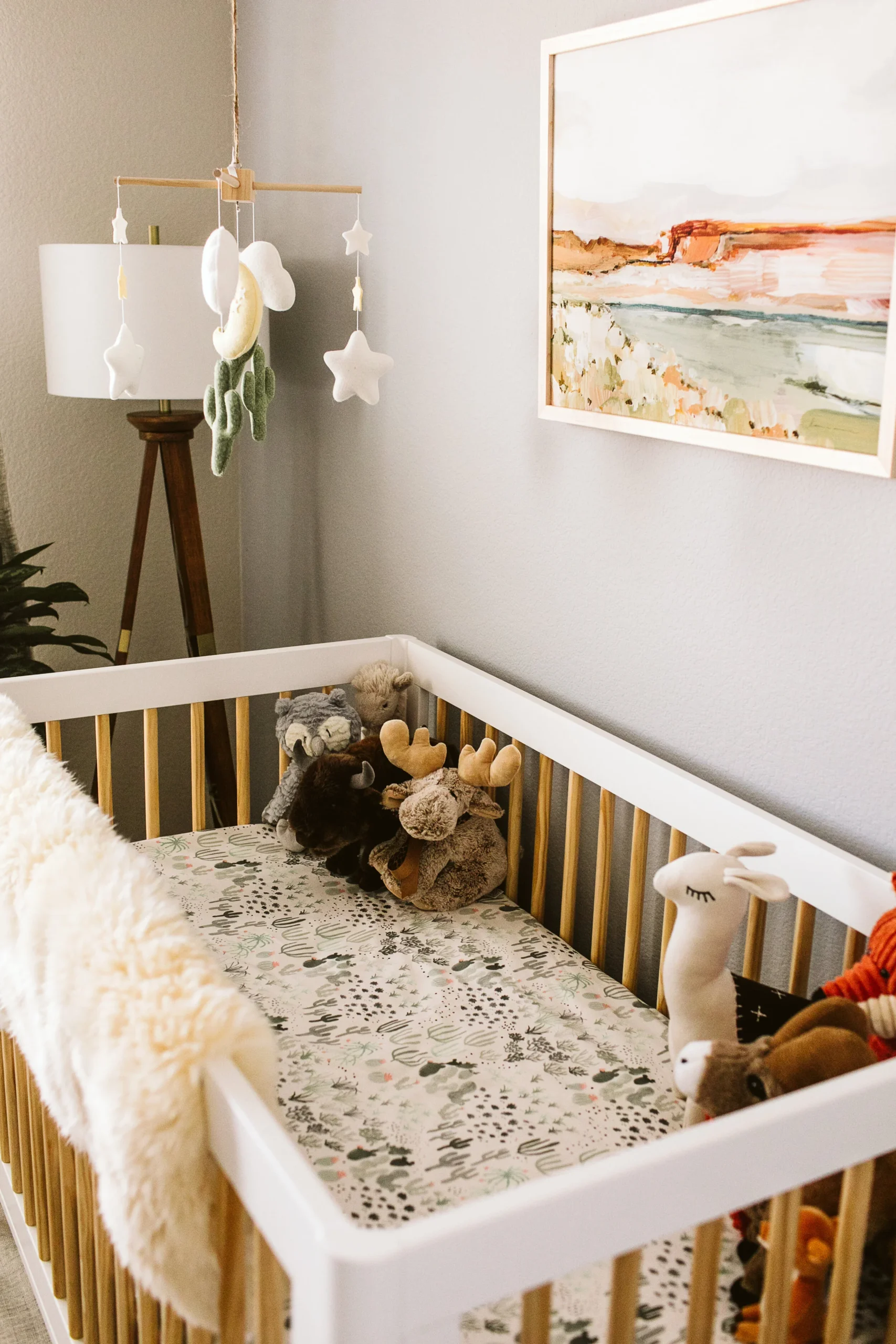
Nursery & Play
Play Mat: Lovevery
Organic Toy Subscriptions: Lovevery
Night Light: Himalayan Salt Lamp
Rugs: Ruggable (these are washable too!)
Air Purifier: AirDoctor
Humidifier: It’s very important to find a mold free option like Canopy
Gliders / Rocking Chairs: Baby Letto
Toys and Teethers: Try to source organic toys when possible and avoid plastics! Wooden toys have been our favorite. The Natural Baby Co and The Tot are both great for natural toy options.
General
Pacifiers: Natursutten
Brush / Comb: Green Sprouts
Laundry Detergent: Thieves YoungLiving
Nail Trimmers: FridaBaby or Martins
Thermometer: Exergen
Nasal Aspirator: Nose Frida
Probiotic Spray: mary ruths (this is good for cuts and scrapes after 4+ months)
Sleep Sacks / Swaddles: We used 100% cotton swaddle blankets from Oliver and Rain and Little Unicorn. We also briefly used the Ollie, however our little one didn’t love being swaddled. We used the Kyte Baby Sleep Sacks (we liked all temperatures .5-2) and still love those. There’s more info on swaddling here.
Apparel
Oliver and Rain
Finn & Emma
Gap Organic
Patagonia Organic
Postpartum Registry Essentials for Mama
Meal Support: Find local support for postpartum meal prep (this is a service that I offer, if you’re located in the Great Denver, CO area). if you’re not local, reach out as I could likely recommend someone.
Pelvic Floor Physical Therapy: This was a crucial aspect of my personal postpartum recovery. I personally believe EVERYONE can benefit from the support of a pelvic floor PT. If you’re local to Boulder, Amanda Gotschall of Anewu PT is my go-to recommendation!
Lactation Support: Schedule a prenatal appointment with IBCLC to have support ready for postpartum – Kelly Euperio of Boulder Valley Lactation is my top recommendation!
Chiropractic Support: Chiropractic care is essential in postpartum and can be huge in your overall healing. Nichelle Gurule of Live Loud Life is my go-to. I still see her often, even at 11 months postpartum!
Massage Therapy: Massage can also be extremely healing in postpartum and calming for the central nervous system. Faith Davis or any of the massage therapists at Mountain Mama Massage are amazing (if you’re local to Boulder!)
Nutrition / Supplementation Support: The support of a nutritionist is also a huge component to postpartum healing. The use of supplements, food, herbs, etc. all play a large role in balancing your body post-birth. I support mamas frequently in their postpartum journey and have found that it makes a huge difference in their recovery along with how well it nourishes mama and baby! You can connect here for a free 20-minute discovery call to discuss this further.
Doula Support: This isn’t just important in postpartum, but having Doula support throughout pregnancy and birth is HUGE! There’s a reason why having the support of Doula greatly decreases your risk for c-sections and helps advocate for an intervention-free birth. Doulas continue to fulfill the historical role of emotionally supporting a pregnant woman through labor and childbirth, helping her advocate for herself and communicate with her caregivers. I worked with Haley Brodsky of Soul Baby Birthing and would recommend her to EVERYONE!


Hi, I’m Katie Braswell
Functional Nutritionist, HTMA Practitioner, Certified Herbalist, Homeopath, and a Mom of Three
I help women nourish their bodies through fertility, pregnancy, and postpartum with whole, ancestral food, gentle natural remedies, and precise lab work that shows what's missing on a deeper level.
After healing my own body from depletion and infertility, I've spent the years since helping more than 800 women do the same, without extreme protocols or expensive supplement lists.
Ways you can Live Wild and Be Well

Ancestral Motherhood Method
Four months of one-on-one support to uncover what's depleting you and replenish your body through every season of motherhood.

Labs for Motherhood
HTMA and bloodwork to identify nutrient gaps, paired with a personalized protocol to restore what’s missing.

Reclaim Your Fertility
An eight-week live group program to nourish your body and balance your hormones before you conceive (for the first time or again).

The Membership
A monthly membership to learn about healing yourself and your family naturally.


FREE RESOURCE
Ancestral Guide to Nourishing Mothers
An introduction to the five foundations of ancestral living, including steadying your blood sugar, cleaning up your environment, and optimizing digestion. Inside, you'll find simple, doable steps and recipes to start nourishing your body through every season of motherhood, so you can Live Wild and Be Well.


