What to Eat After a Miscarriage for Better Healing
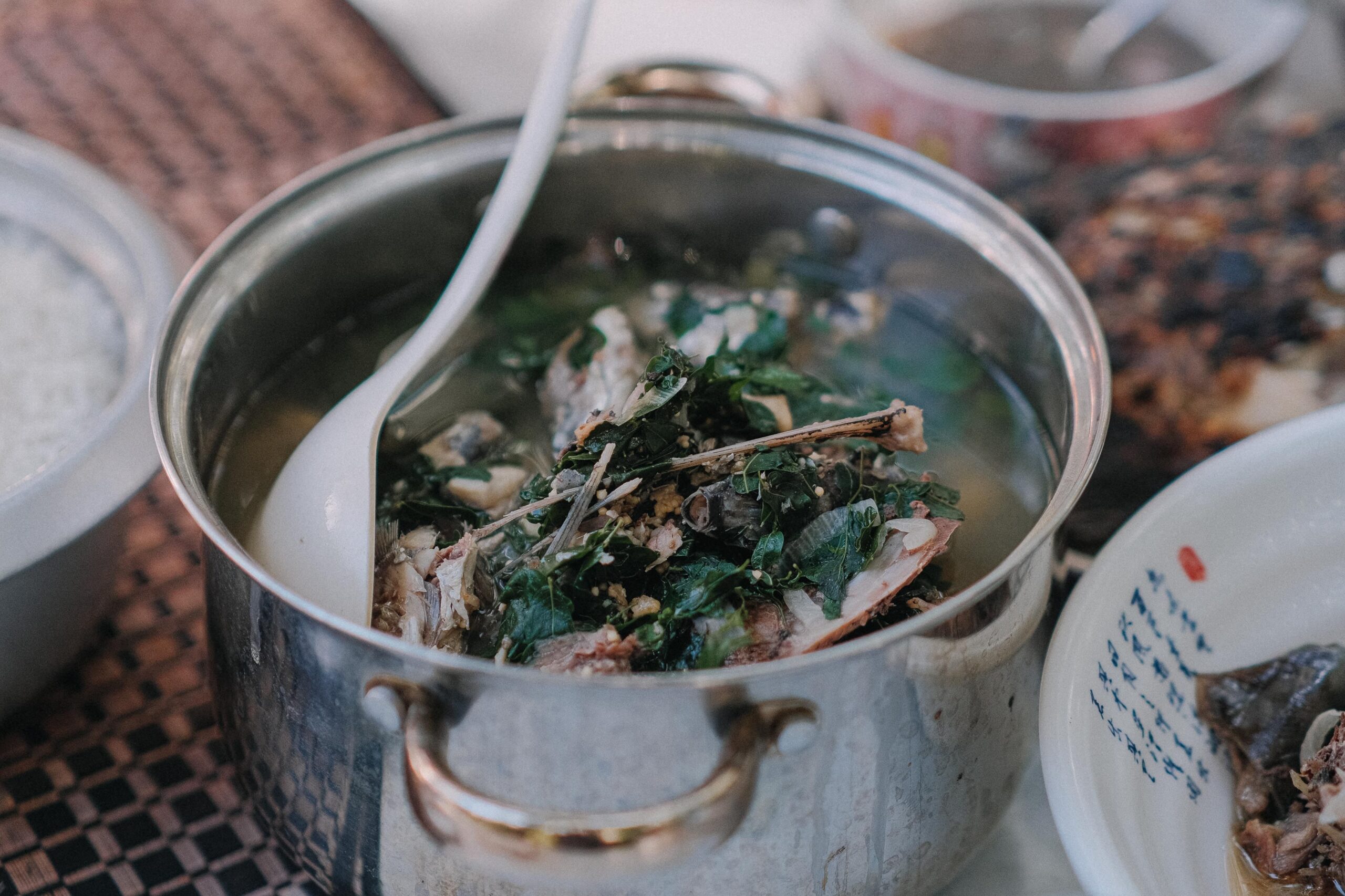
Miscarriage is a time of intense heartbreak and healing. If you’re wondering what to eat after a miscarriage, know that nutrition can play a meaningful role in your recovery—both physical and emotional.
Your body has just experienced big changes, including hormone shifts, blood loss, and tissue repair. While food won’t take away the grief, it can support your body as it heals. As a holistic nutritionist, here’s what I recommend:
What Does Your Body Need to Support Recovery after a Pregnancy Loss?
Unfortunately, between 10% and 20% of all known pregnancies end in miscarriage.
It’s an intense, heartbreaking experience during which your body has to manage multiple physical changes at once:
- Hormone fluctuations: hCG, estrogen, and progesterone drop sharply, which can affect your mood, energy, and physical recovery
- Blood loss: Miscarriage usually involves bleeding, which can deplete your iron stores and leave you feeling weak or fatigued
- Uterine tissue healing: Your uterus needs time and resources to repair tissue and return to its pre-pregnancy state
- Energy depletion: The combined effect of hormonal shifts, blood loss, and emotional stress can leave you deeply tired
Good nutrition after miscarriage gives your body raw materials that it can use to heal.
As a holistic nutritionist for women’s health, one thing I focus on first with clients who experience a miscarriage is micronutrients. These vitamins and minerals are essential for tissue repair, hormone production, and replenishing what was lost.
If you want a deeper look at your individual nutrient needs, my HTMA Labs for Motherhood can help identify specific deficiencies and guide personalized support.
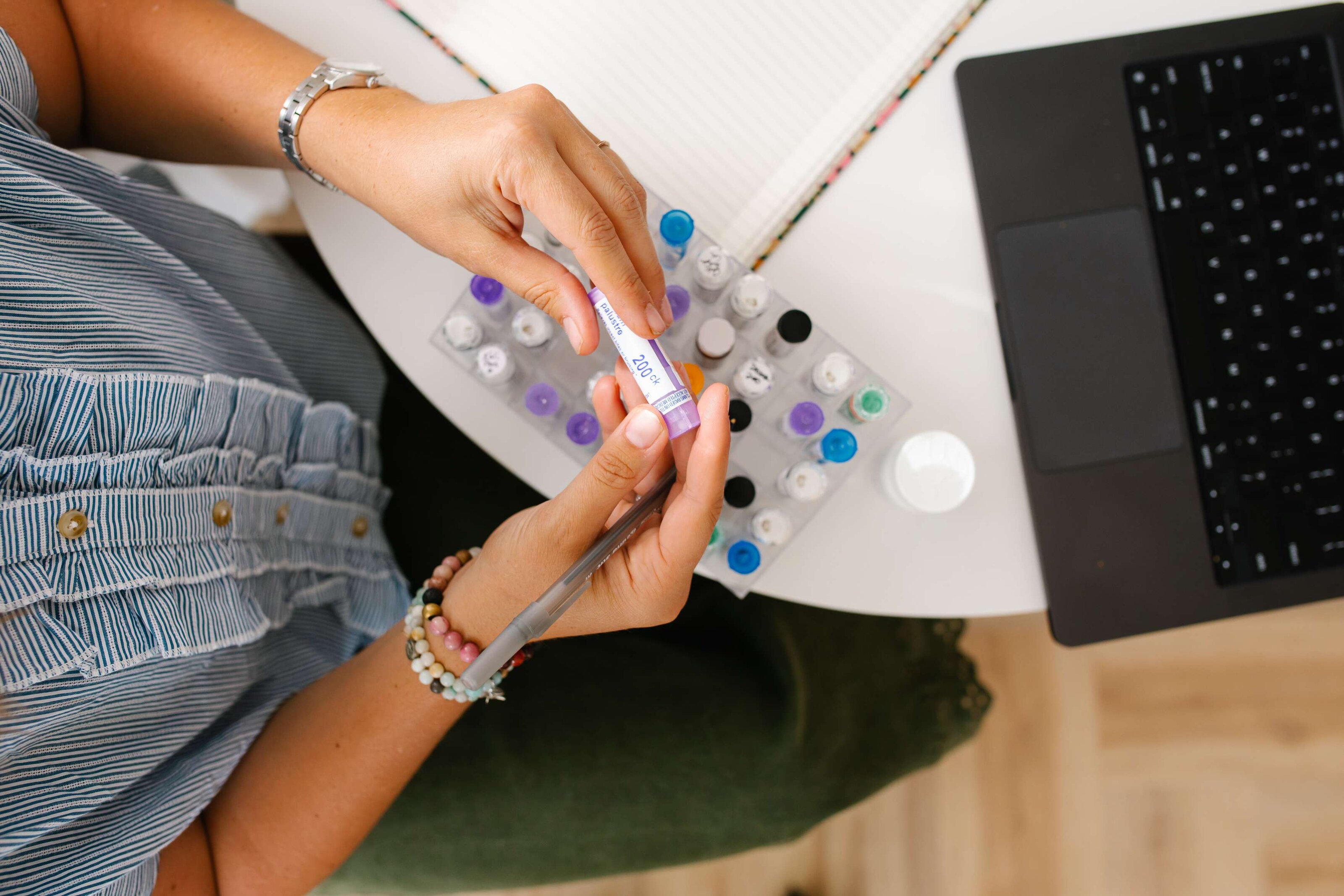
Hair, Tissue, and Mineral Analysis (HTMA) and functional blood work that reveal where you’re depleted — with a personalized protocol to replenish the gaps.
Learn MoreWhat Foods Should You Eat After a Miscarriage?
The foods you eat after a miscarriage can give your body nutrients to heal, rebuild tissue, and restore hormone balance. Here’s what I recommend:
Vitamin D
Vitamin D influences immune function and hormone regulation. After a miscarriage, it supports your body’s healing process and helps prepare your system for future fertility if and when you’re ready.
Food sources: fatty fish (salmon, mackerel, sardines), egg yolks, mushrooms exposed to sunlight
Vitamin A (Retinol)
Vitamin A is essential for tissue repair and reproductive health. Your body uses it to heal damaged tissue and support the cells involved in hormone production.
Food sources: beef liver, egg yolks, grass-fed butter, full-fat dairy
It’s also helpful to eat beta-carotene sources (converted to vitamin A in the body), including sweet potatoes, carrots, dark leafy greens, and squash.
Omega-3 Fatty Acids
Omega-3s reduce inflammation and support healing throughout your body. They also play a role in hormone production and balance, which is especially important as your levels shift after pregnancy loss.
Food sources: wild-caught fatty fish (salmon, sardines, anchovies), walnuts, flaxseeds, chia seeds, hemp seeds
Copper
Copper is essential for reproductive health and hormone balance. It supports healthy estrogen levels and the metabolic processes that your body relies on during recovery.
Food sources: oysters, nuts (especially cashews), mushrooms, kale, fermented soy, goat cheese, dark chocolate
Iron-Rich Foods
Iron replenishes stores lost through bleeding and helps restore your energy. I recommend pairing iron-rich foods with vitamin C to improve absorption.
Food sources: red meat, organ meats, beans, lentils, spinach, pumpkin seeds
Learn more about the ancestral diet and how it can help you heal after a miscarriage.
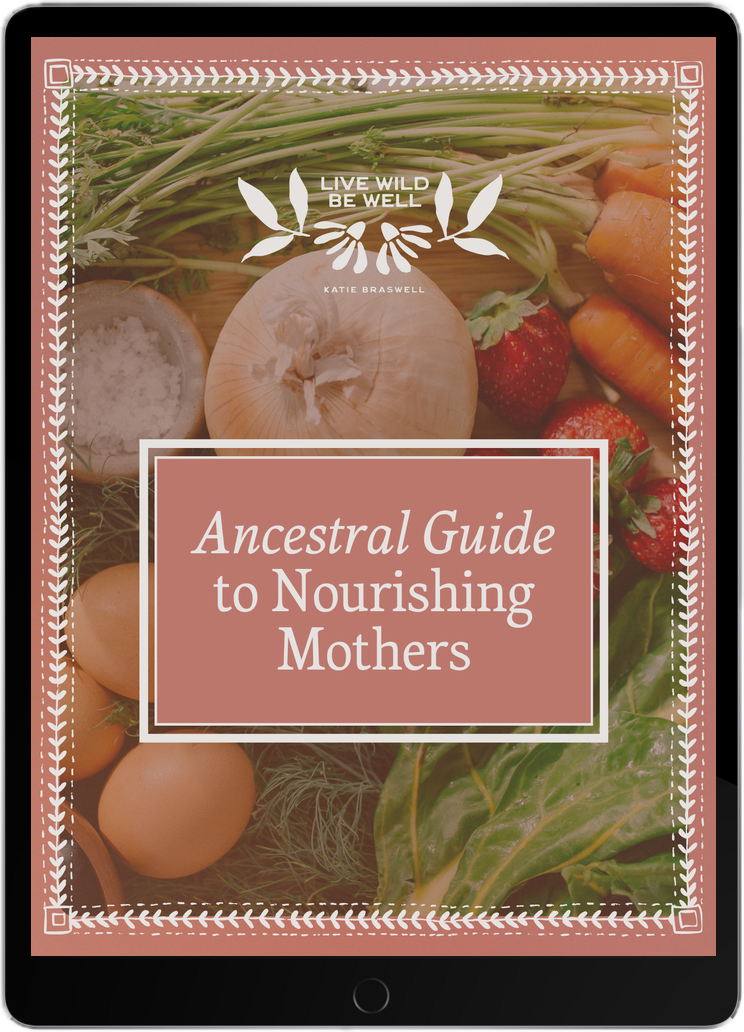
A starting place for understanding how our ancestors ate and why it kept blood sugar steady. Inside, you’ll learn what made traditional diets so nourishing and how to build meals that hold your energy through the day so you can Live Wild and Be Well.
Additional Key Nutrients
In addition to eating more of the nutrient-rich foods above, it’s also important to include in your diet:
- Vitamin C for tissue repair and iron absorption, such as citrus fruits, bell peppers, berries, and broccoli
- Protein for tissue healing, including quality animal proteins, eggs, and legumes
- Whole grains for sustained energy, including brown rice, oats, quinoa, and sweet potatoes
- Zinc and selenium for reproductive health and immune function, such as pumpkin seeds, Brazil nuts, seafood, and quality poultry
Learn more about superfoods for fertility and other nutrients you can include in your diet to support your physical healing and mental health.
Healing Herbs for Miscarriage Recovery
Herbs can also provide important nutrients to help your body recover:
- Nettle leaf: Rich in iron and minerals, nettle helps rebuild blood and replenish nutrient stores.
- Red raspberry leaf: A uterine tonic that’s packed with vitamins and minerals to support reproductive tissue.
- Shatavari: An adaptogenic herb that helps balance hormones and supports reproductive health.
You can prepare these herbs as teas or gentle infusions, and drink them warm throughout the day as part of your healing routine.
What Vitamins Should I Take After a Miscarriage?
I always recommend focusing on food first, and layering in supplements as needed. Whole foods provide nutrients in forms your body recognizes and absorbs well, along with fiber, enzymes, and other compounds that work together to support healing.
That said, supplements can help fill gaps, especially if you’re dealing with significant nutrient depletion or have trouble eating enough during early recovery. A high-quality prenatal vitamin, vitamin D, omega-3s, and iron (if needed based on blood work) can all support your body during this time.
What Not to Eat After a Miscarriage?
There’s nothing that’s “off limits” as you’re recovering from a miscarriage.
You’re going through something difficult, and there’s a time and place for comfort foods that bring you ease, even if they aren’t the most nutrient-rich options.
That said, having too much of certain foods and drinks can make you feel worse in the long run. Try to avoid:
- Alcohol can interfere with hormone balance and liver function, which your body needs for processing hormones after pregnancy loss
- Excess caffeine can disrupt sleep and add stress to your already taxed adrenal system
- Processed foods, refined sugars, and inflammatory oils can increase inflammation, destabilize blood sugar, and deplete nutrients
If you’re craving something, have it!
But remember that nutrient-dense whole foods, not processed or empty-calorie foods, are what will truly support your energy, mood, and physical healing, so try to prioritize them as much as you can.
FAQs
What are the best foods to eat after a miscarriage?
The best options are nutrient-dense whole foods that support tissue repair, blood replenishment, and hormone balance. Focus on iron-rich foods like red meat and organ meats, omega-3 fatty fish like salmon and sardines, vitamin A sources like liver and egg yolks, and plenty of colorful vegetables and fruits for vitamin C and antioxidants. Try to build all your plates to include quality protein, healthy fats, and complex carbohydrates.
What foods help the uterus heal?
Foods rich in vitamin A, vitamin C, iron, and protein help the uterus heal after miscarriage. Try to incorporate Vitamin A from sources like liver, egg yolks, and grass-fed butter, Vitamin C from citrus, berries, and bell peppers, and iron from red meat and leafy greens. But overall, no one food or nutrient helps the uterus heal after a miscarriage—eating a well-rounded, balanced diet is the best approach.
What fruits to eat after a miscarriage?
Berries, citrus fruits, and vitamin C-rich options like kiwi and oranges are great options after a miscarriage. Fruits with deeper colors, like blueberries, tend to be higher in beneficial compounds. Pair fruit with protein and a healthy fat to keep your blood sugar stable and support sustained energy.
Are eggs good after a miscarriage?
Yes, eggs are an excellent food after a miscarriage. They provide high-quality protein for tissue healing, vitamin A and choline for reproductive health, and B vitamins that support energy and hormone production. Egg yolks are especially nutrient-dense and have fat-soluble vitamins.
How to detox your body after a miscarriage?
Your body doesn’t need a special detox or cleanse after a miscarriage. It needs nourishment. Your liver and kidneys handle detoxification naturally, and the best way to support them is through nutrient-dense foods, hydration, and rest. Focus on eating whole foods rich in vitamins and minerals, drinking plenty of water, and avoiding alcohol and processed foods that add extra burden to your system.
Nourish Your Body and Boost Your Fertility
Healing after a miscarriage takes time. Food is medicine, but it works best alongside rest, emotional support, and being kind to yourself as your body recovers.
As a holistic nutritionist, I work with women to create in-depth nutrition plans that support fertility, preconception health, and pregnancy.
Learn more about working with me inside the Ancestral Motherhood Method!

4 months of tailored, whole-person care that feels less like a ‘program’ and more like guiding you through fertility, pregnancy, and postpartum, so you can nourish your way back to vitality.
Learn More


Hi, I’m Katie Braswell
Functional Nutritionist, HTMA Practitioner, Certified Herbalist, Homeopath, and a Mom of Three
I help women nourish their bodies through fertility, pregnancy, and postpartum with whole, ancestral food, gentle natural remedies, and precise lab work that shows what's missing on a deeper level.
After healing my own body from depletion and infertility, I've spent the years since helping more than 800 women do the same, without extreme protocols or expensive supplement lists.
Ways you can Live Wild and Be Well

Ancestral Motherhood Method
Four months of one-on-one support to uncover what's depleting you and replenish your body through every season of motherhood.

Labs for Motherhood
HTMA and bloodwork to identify nutrient gaps, paired with a personalized protocol to restore what’s missing.

Reclaim Your Fertility
An eight-week live group program to nourish your body and balance your hormones before you conceive (for the first time or again).

The Membership
A monthly membership to learn about healing yourself and your family naturally.


FREE RESOURCE
Ancestral Guide to Nourishing Mothers
An introduction to the five foundations of ancestral living, including steadying your blood sugar, cleaning up your environment, and optimizing digestion. Inside, you'll find simple, doable steps and recipes to start nourishing your body through every season of motherhood, so you can Live Wild and Be Well.


